
If you’ve been around me for more than thirty minutes, you know I love tabletop games: board games, roleplaying games, miniatures games – the works. I’ve even blended all three types into hybrids, using strategic board games to set the grand politics of a roleplaying campaign where players lead miniature armies into battle on the tabletop. Professionally, I’ve made games – both digital and tabletop – for over twenty years, and I like to push the bounds of what games can do.
That’s why I’m really excited about how mixed reality (MR) can be used to enhance tabletop gaming in ways that virtual reality (or standard video games) can’t. I say enhance because I believe it’s important to preserve the unique qualities of board games that have made them popular for over 5,000 years.
What’s so special about tabletop games?
Tabletop games are social.
Games bring people together around a common space to share a common experience. Humans are social beings, and games are a time-tested vehicle for building understanding, trust, and respect for one another.

These experiences are not exclusively competitive. Many tabletop games are cooperative, with all players united in a struggle against the game itself. Most roleplaying games, for example, are largely cooperative, with a neutral game master facilitating the game for one or more united players.
In all cases, the face-to-face social interaction with other players has intrinsic value.
Indeed, there’s an entire category of social deduction games such as Werewolf/Mafia and the excellent The Resistance: Avalon (a personal favorite) that rely heavily on the immediacy of face-to-face interaction and non-verbal communication.
Virtual reality board games have been unable so far to capture that aspect of tabletop games. Mimicking the subtle facial expressions and body language that is so vital to interpersonal communications is still incredibly difficult.
Rec Room for Oculus VR, a platform for social gaming, implicitly acknowledges this by using extremely crude avatars in order to avoid the uncanny valley effect.

It’s like looking in a mirror!
Tabletop Simulator is another VR platform for board games. Unlike Rec Room, it doesn’t even attempt to represent players visually. As a result, it’s not significantly different than traditional video game versions of board games.
This is where augmented reality can step in, as it offers the possibility of actual face-to-face interaction in a shared game space.
Live Game Board is one attempt to do just that. Players use their mobile devices to view virtual objects on their screens overlayed on a mat unique to each game. The current offerings are essentially very simplistic mobile games, but perhaps talented developers may take the concept and expand on it.

This brings us to the other unique aspect of board games.
Tabletop games are tactile.
There is an indefinable quality to tabletop games that involves more than just the visual. Board games involve a degree of physicality – pieces, dice, tiles, boards, or other objects – that can be manipulated. That tangible presence is both grounding and serves as a focus for the social interaction.
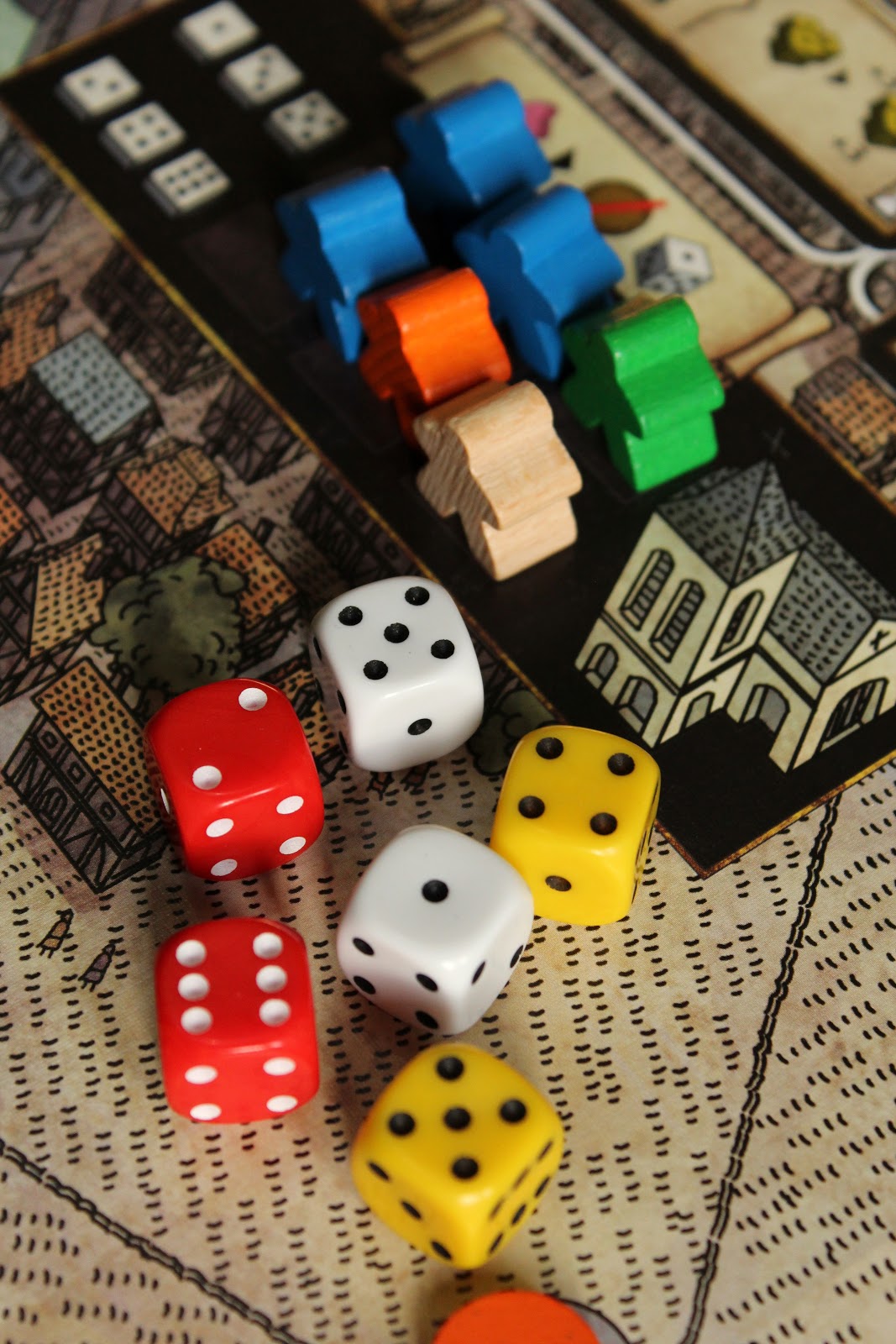
There is also immediate and gratifying sensory feedback when rattling dice, pushing a rook to check your opponent’s king, or even flicking a marble across the floor. The mind knows this is real, and which has a powerful effect on how we perceive the events. There’s even research that suggests gestures and interaction with physical affordances (e.g. game pieces) combine with speech in the formation of our memories. Even the smell of a new board game contributes to this unique experience.
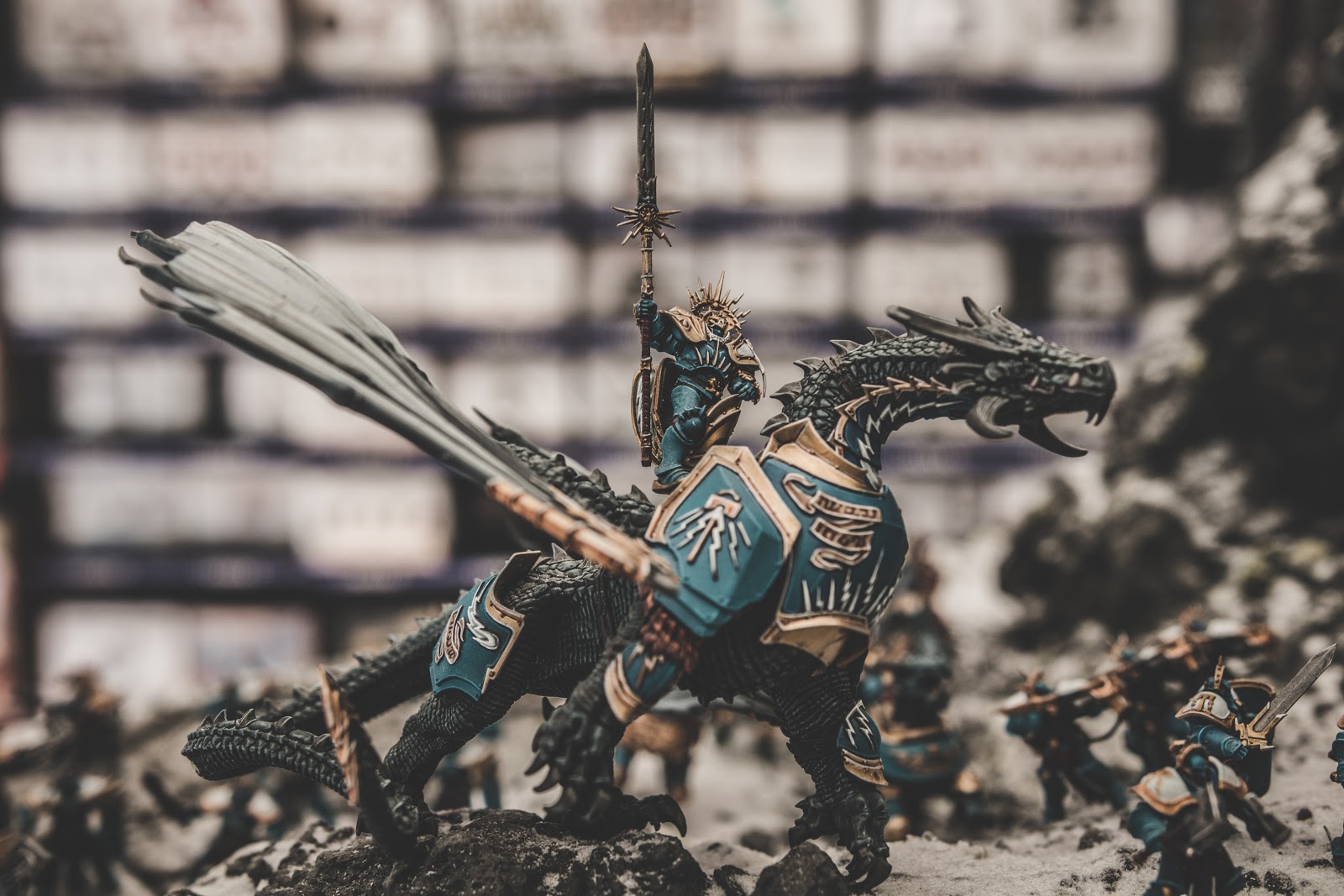
Many tabletop gamers elevate the physical components of games to an art form. Miniatures gaming enthusiasts devote countless hours (and dollars!) to collecting and painting these playing pieces.
Scale models and tabletops as detailed as any model railroad collector’s are the game board for recreations of battles from history, science fiction, or fantasy. I’ll admit, I have everything from Elves and orcs to Tiger tanks and X-Wings.
You can see some great examples of painted miniatures on Cool Mini or Not.
Can current technology replace that tactile experience?
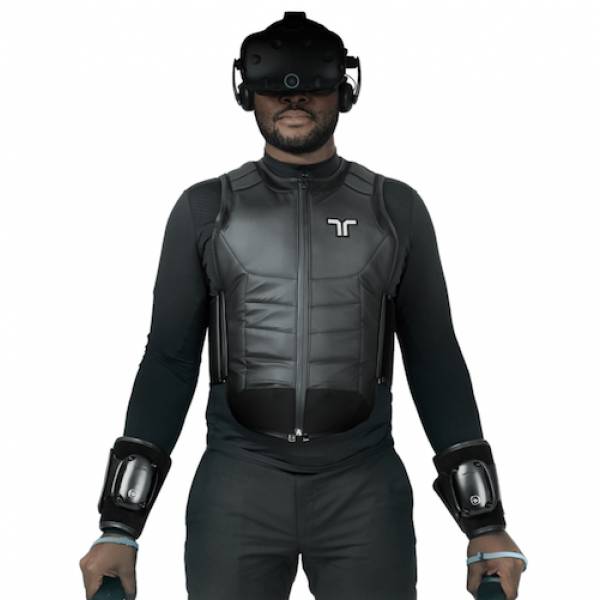
Haptic technology is making strides in replicating some of these sensations. Ultrahaptics uses dynamically modified air flow to simulate surface textures. It might one day be possible to integrate into a comprehensive VR approach to simulate a tactile board game experience, but at present that isn’t a cost-effective or practicable solution.
And wearing a full Tesla Suit or bHaptics’ TactSuit is not only costly, it might just be overkill at the dining room table.
Seriously, I just wanted to play Stratego.
Games are universal
People of all sorts enjoy games. These games vary by culture and individual preference, but most every human on this planet has games they play. From Senet (the favorite of the pharaohs) to the games of the indigenous peoples of North America and Australia, games transcend time and geography.

Language can be a barrier for playing games with groups from different regions. While many board games are localized for language, that doesn’t help when your friends gift you a French edition of 7 Wonders and you don’t read French. (Yes, this happened to me recently.)
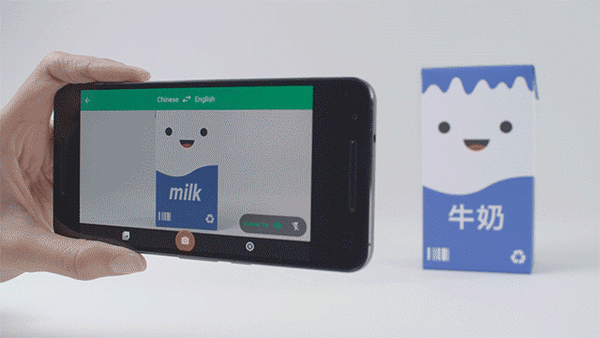
This is one area where some off-the-shelf AR technology can help. Google Translate (formerly Word Lens) provides real-time text translation.
While not perfect, it’s a taste of what’s coming in the very near future. Just the thing to translate text on cards or game boards!
This universality of games brings people together from around the world to meet and play at game conventions. Gen Con in the United States attracts over 60,000 attendees annually, and Spiel in Germany draws nearly 200,000 people.
I go to Gen Con most every year, as well as Strategicon in Los Angeles three times a year. It’s fantastic playing new games and connecting with people over a shared passion. You should definitely check for game conventions near you!
So where does that leave us?
Where existing virtual reality and augmented reality approaches fall short, I see amazing potential in how mixed reality will enhance and transform tabletop gaming. MR can bring the digital and tabletop worlds together in a way that maximizes the best quality of each.
I’ll share thoughts on specific areas we can leverage this technology in my next post: What does Mixed Reality bring to the table?
In the meantime, if you’d like to learn more about tabletop games, I’d recommend starting here:
BoardGameGeek – This is the repository for board games. A bit overwhelming, but this is a great resource for finding detailed information about individual games, discussion forums, a marketplace for buying or trading games, and much more. You can even find me there.
Co-Op Board Games – This site reports exclusively on games where all players are working together. I think cooperative games are great for get-togethers where people don’t know each other well and for introducing people to tabletop gaming in general. Check out the game Pandemic for a fun and challenging time!
The Dice Tower – Started by Tom Vasel, this is a good source for board game news and reviews as well as a podcast. Worth checking out.
Game Brain – If you prefer to listen to people discuss games in-depth, Matthew Robinson and guests dive into a variety of tabletop games in this weekly podcast. Lots of good discussion and insights.
Happy gaming and I’ll see you around the table!
Connect with me on Twitter
Stay in touch with my newsletter. No more than once a week, no spam.
If you like what you read, please share it with others via the links below.